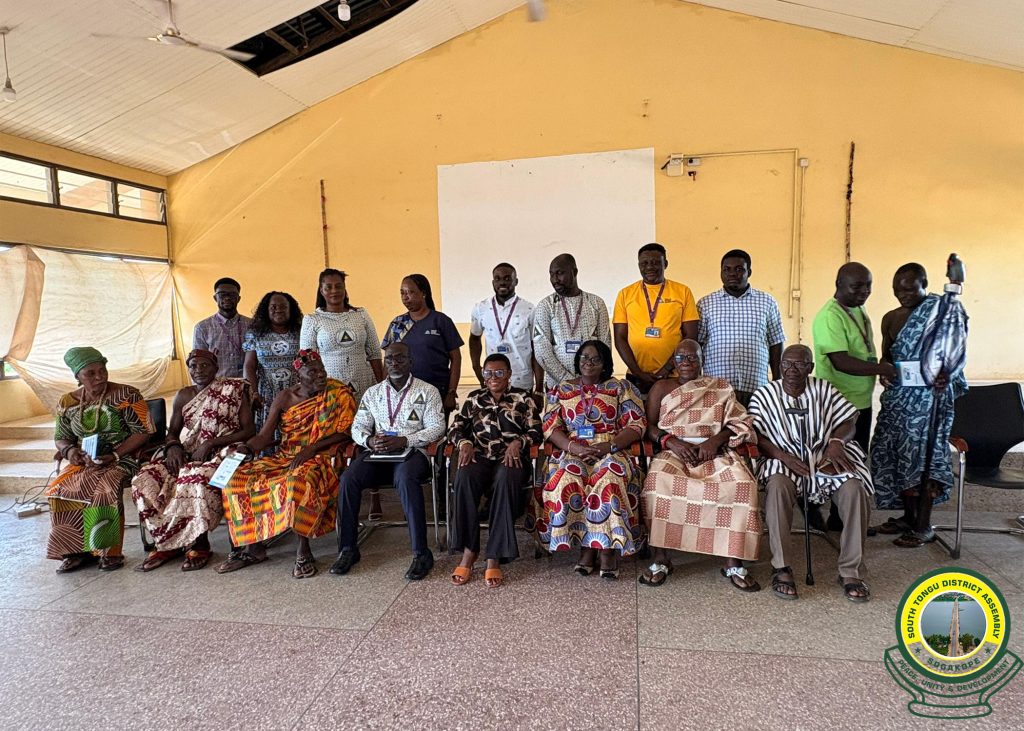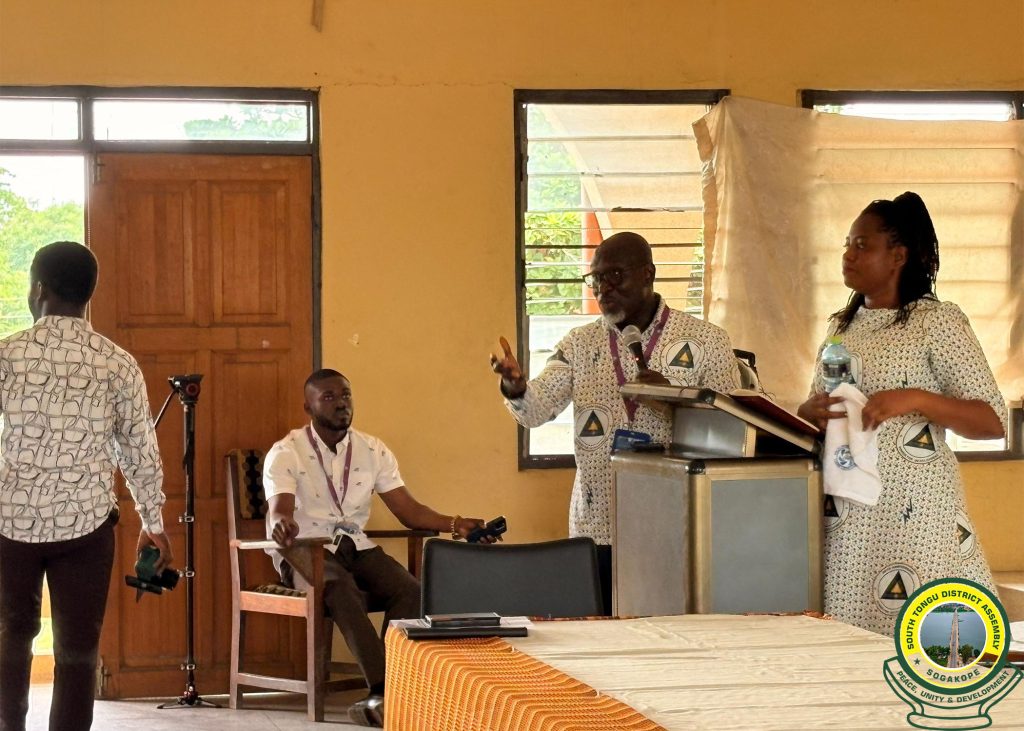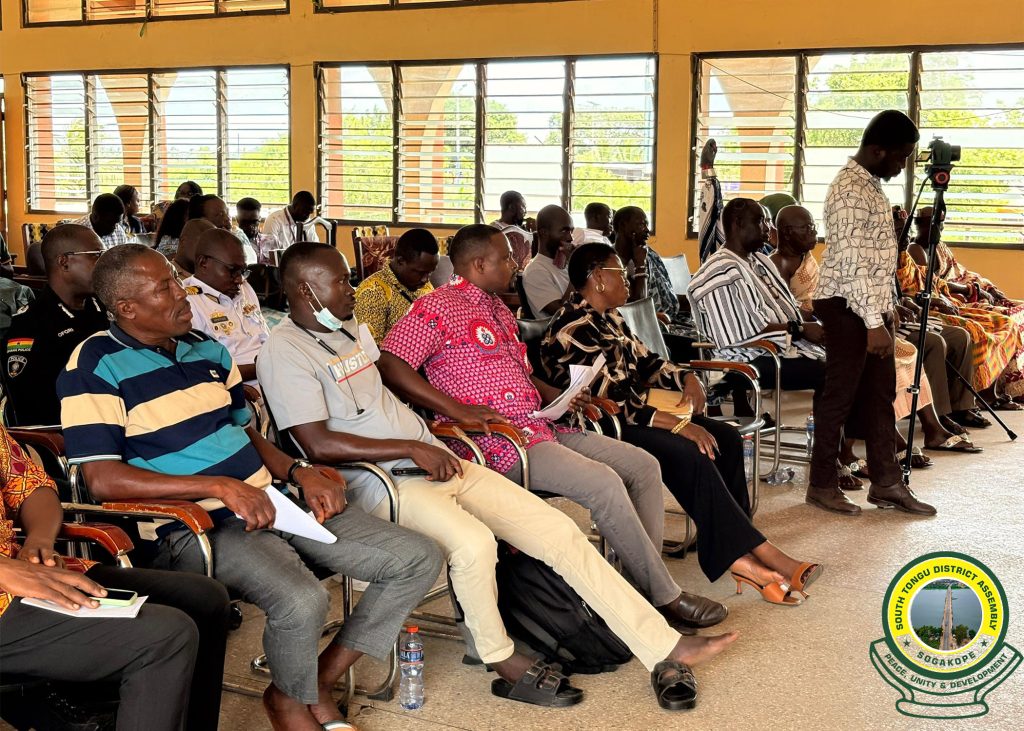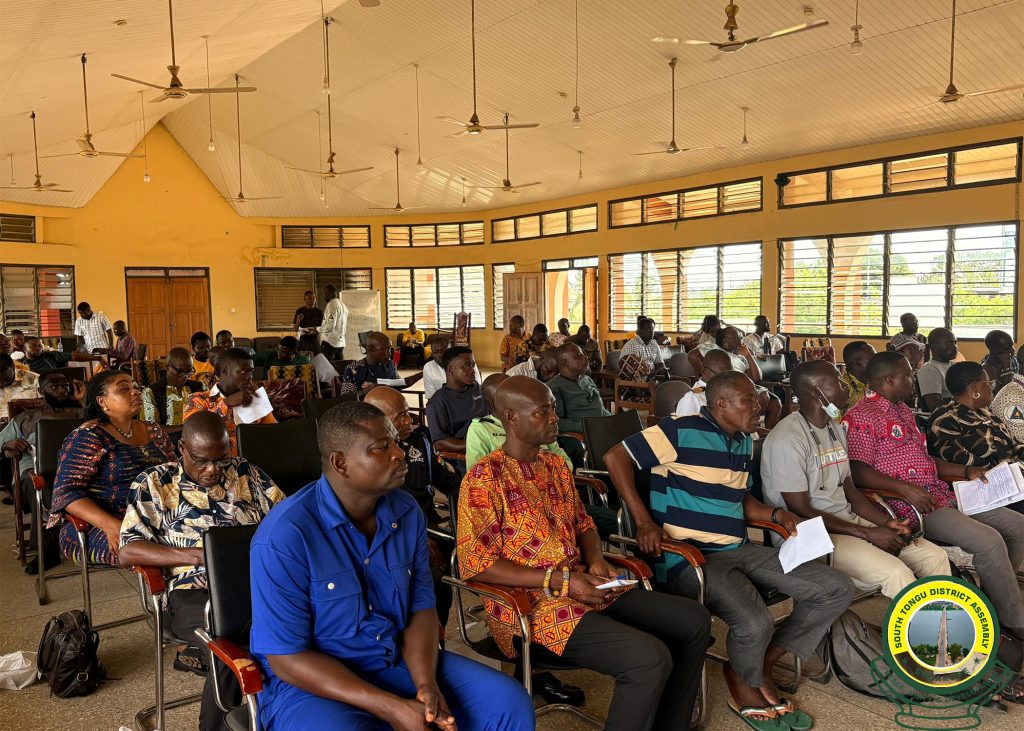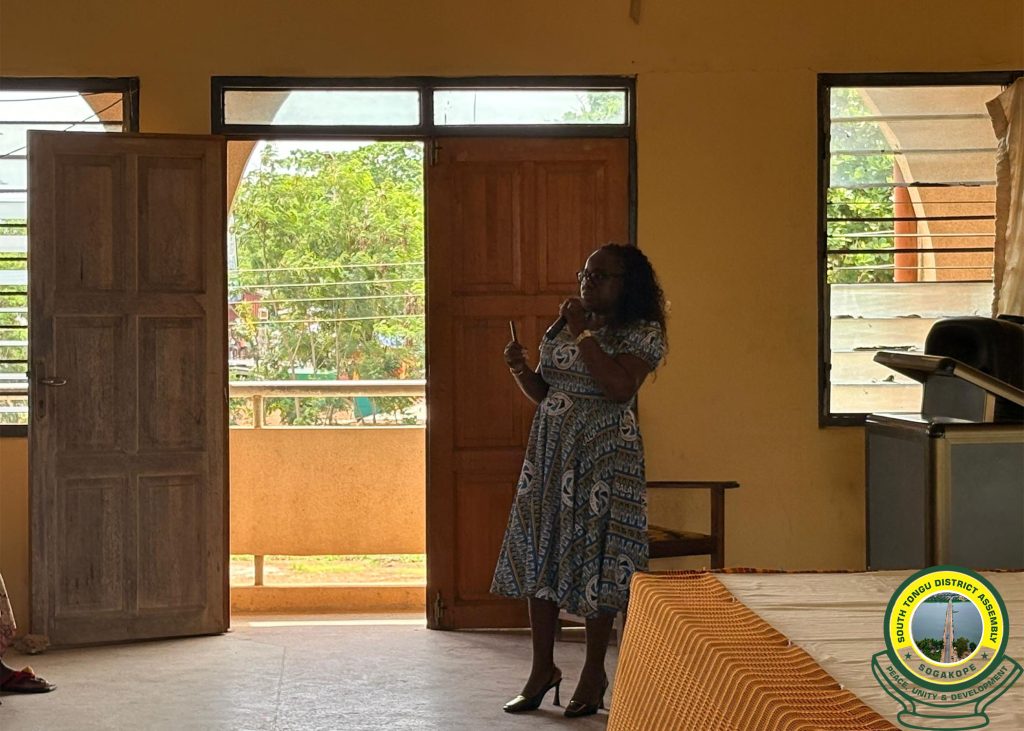
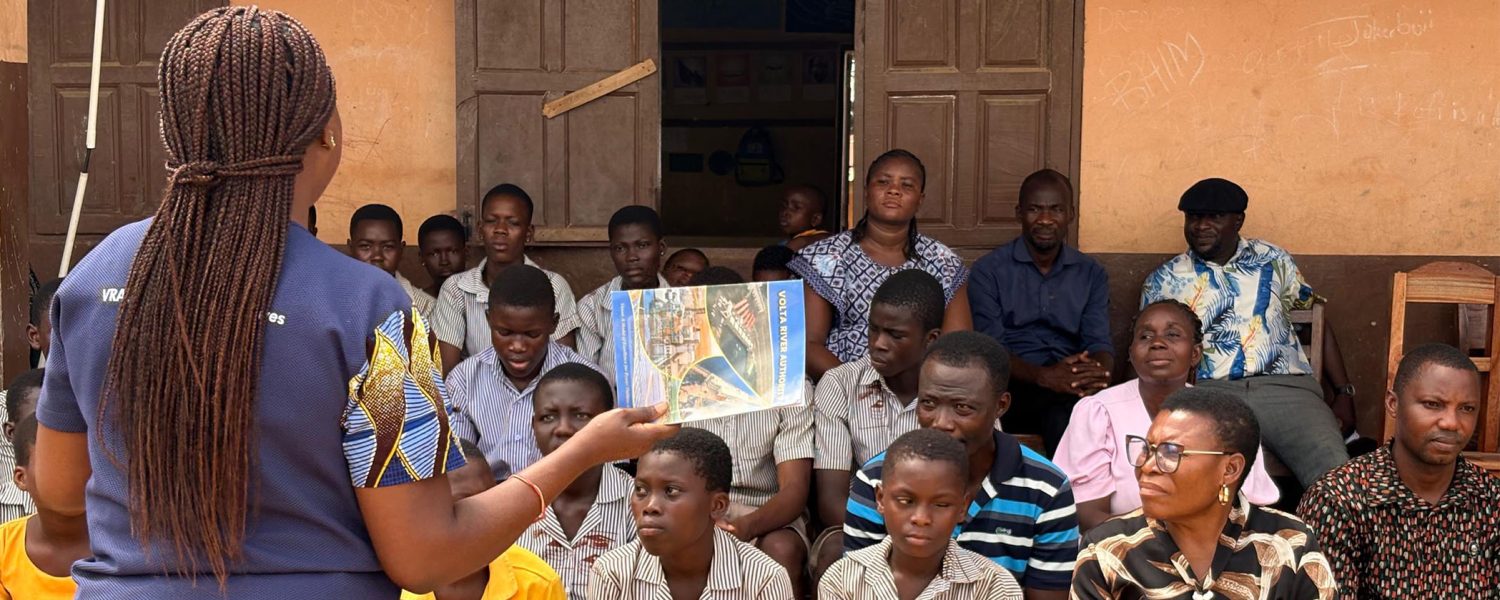
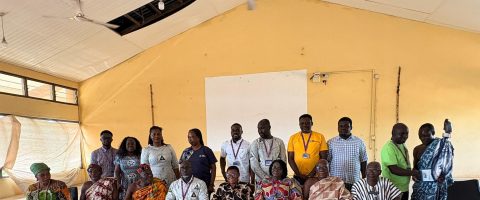
On Thursday, 14th May, 2026 South Tongu District Assembly hosted the Volta River Authority (VRA) Emergency Preparedness Meeting. When it comes to living downstream of the Akosombo Dam, being prepared can make all the difference. That was the focus when the Volta River Authority sat down with South Tongu stakeholders this week for a frank conversation on emergency preparedness. The meeting, held at the South Tongu District Assembly, brought together district officials, traditional leaders, security agencies, health workers, teachers, fisherfolk, farmers, and civil society groups. The goal was simple: make sure everyone knows what happens, who does what, and how we keep people safe if there’s ever a controlled spill or dam-related emergency. What was on the table, VRA officials walked the room through the Emergency Preparedness Plan for downstream communities. They explained how the dam operates, how reservoir levels are managed, and why controlled spillage is sometimes necessary to protect the dam’s structure. They also broke down the early warning systems in place, including SMS alerts, sirens, and radio announcements and how those warnings trigger notification protocols before any planned spillage. From there, the discussion moved to evacuation procedures, community awareness efforts, and how VRA coordinates with NADMO and the District Assembly when an emergency is declared. Who does what when it matters. One of the most useful parts of the meeting was getting clarity on roles: VRA handles technical monitoring and makes decisions on controlled discharge. South Tongu District Assembly leads local coordination and supports evacuations. NADMO manages emergency response and relief distribution. Police and Fire Services handle crowd control and help enforce evacuations. Health Services step in with emergency medical response. Community voices heard. The floor was open for feedback, and stakeholders didn’t hold back. People raised concerns about getting earlier warnings before spillage, installing more community sirens in vulnerable areas, and making sure compensation processes for affected farmers and fisherfolk are clear and fair. There was also a strong call for regular simulation exercises and better collaboration with traditional leaders. Several participants also raised the issue of dredging the river to improve flow. VRA responded that a dredger had been assigned, but local community members and some chiefs asked them to stop work. VRA took note of the concerns and committed to strengthening early warning systems, reviewing siren coverage, and running annual joint simulation exercises with the district. They also proposed setting up Community Emergency Liaison Officers to improve communication on the ground and clarified how compensation works under national frameworks. The District Chief Executive thanked everyone for attending and urged participants to keep bringing concerns to her office so they can be forwarded to VRA. The overall mood was constructive, people want to work together, and there’s a clear appetite for more public education on flood risks and formal agreements to strengthen multi-agency coordination. For VRA, the message was clear: dam safety and protecting lives come first, and that means keeping communication open and transparent with all affected districts. For South Tongu, the meeting was a step toward stronger coordination and a reminder that when agencies, traditional authorities, and communities work together, our resilience goes up.