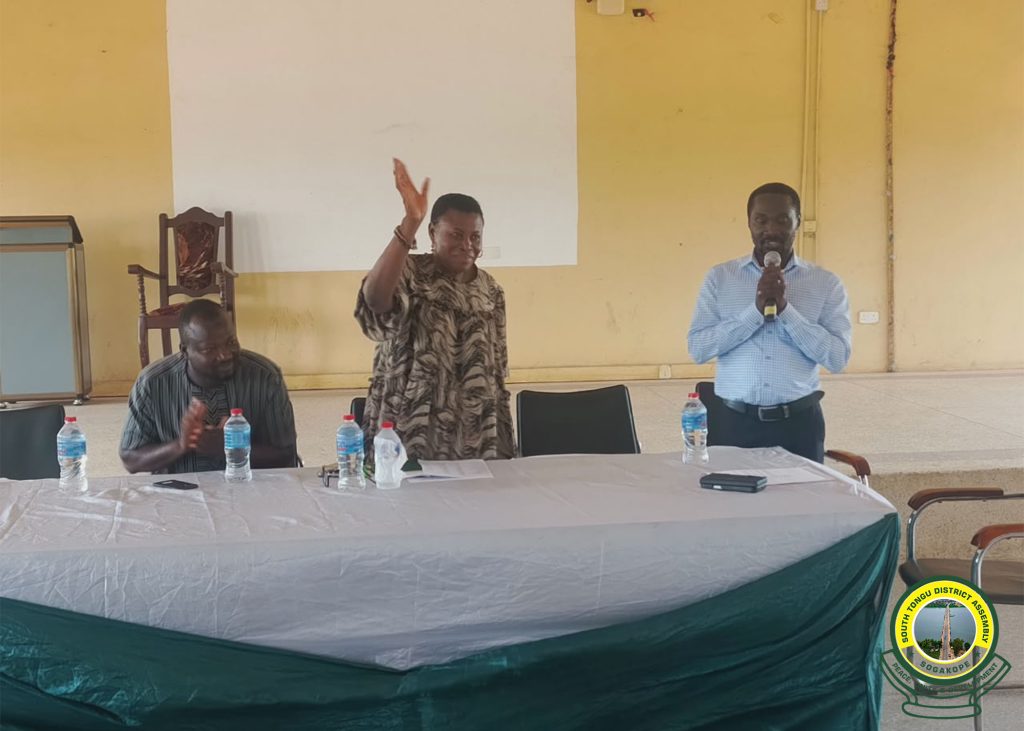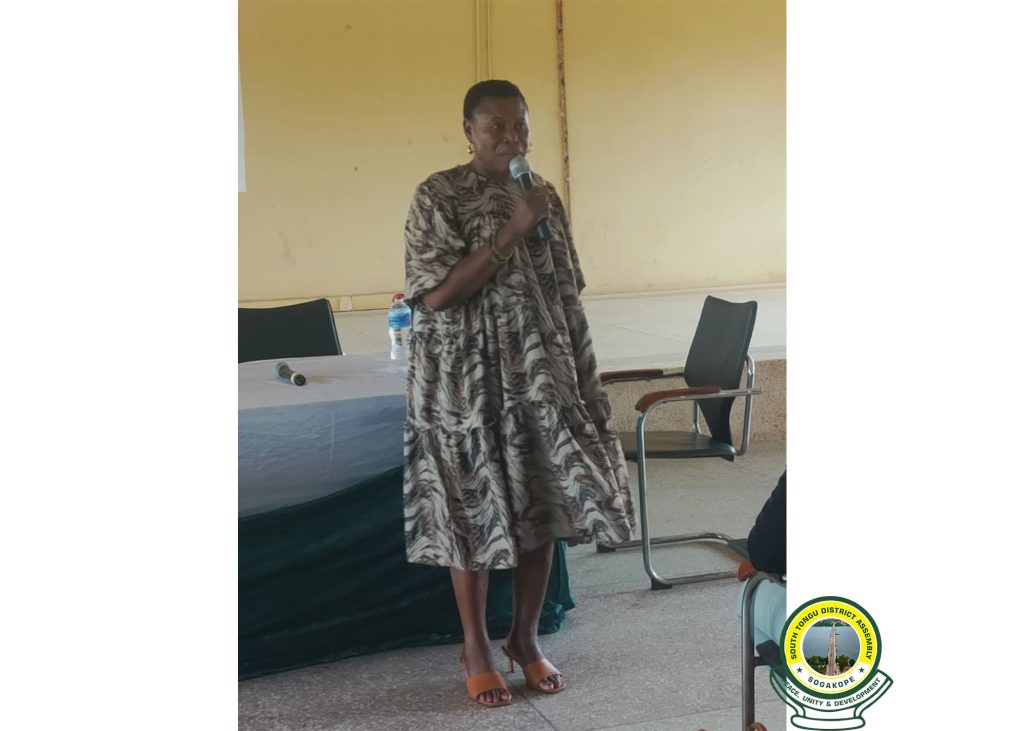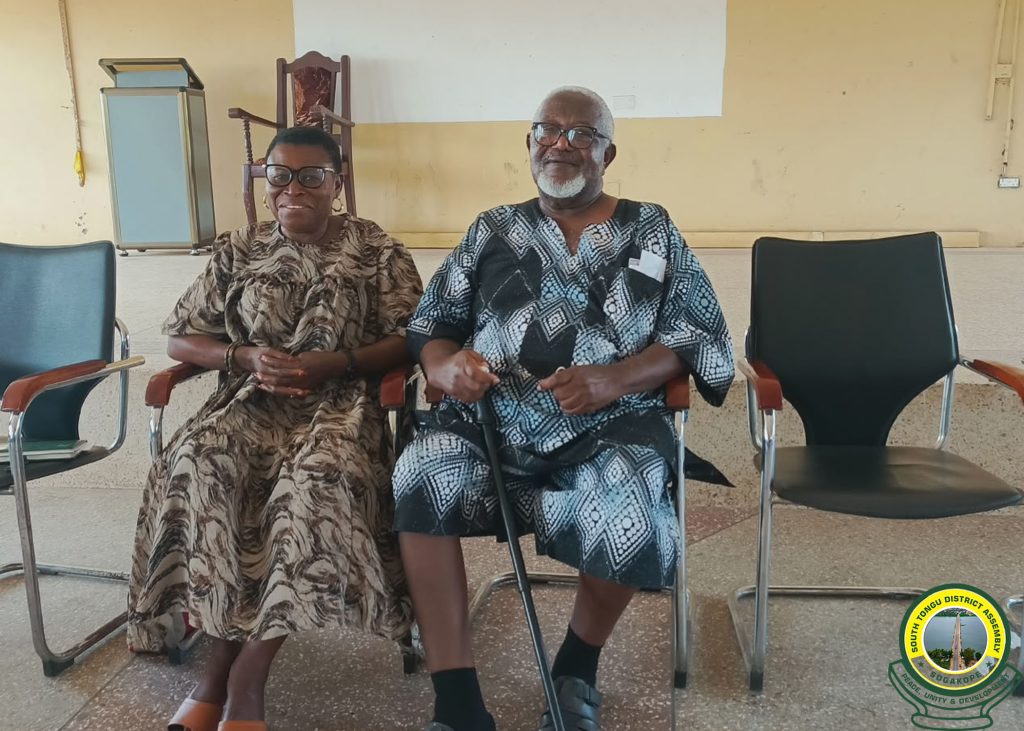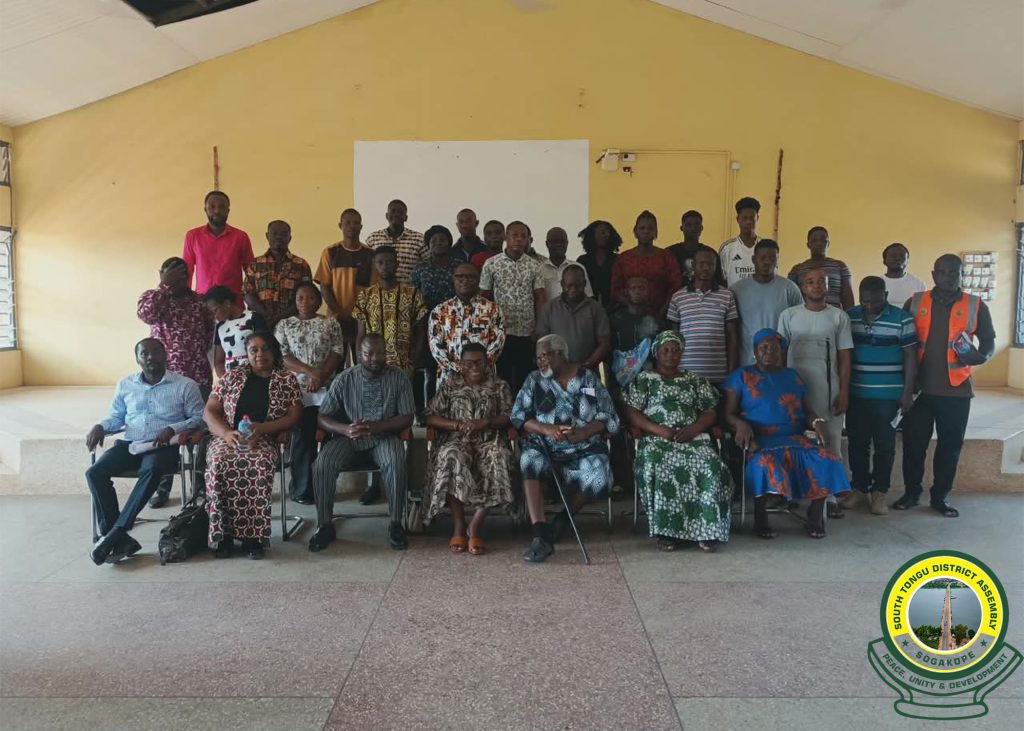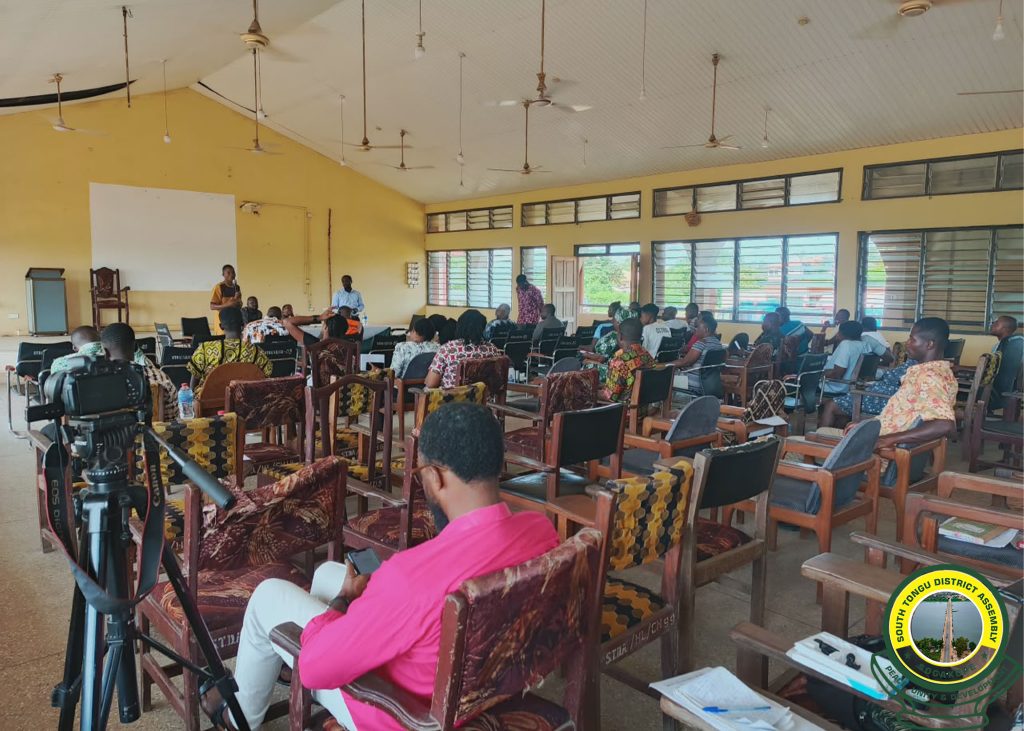

On Thursday, 7th May 2026, the South Tongu District Assembly Hall felt a little busier than usual. Hoteliers, guesthouse managers, and reps from across the district had come together for a meeting that wasn’t about paperwork or formalities, but about where the district’s hospitality sector is headed. It started the usual way – arrival, registration, and an opening prayer. But once the introductions were done, the tone shifted. The district Chief Executive wanted to hear directly from the people running hotels and lodges on the ground: what’s working, what’s not, and what needs to change. The conversation quickly got practical. Hotel operators talked about priority projects that could make a real difference – better roads to key sites, reliable water and electricity, and more support for marketing South Tongu as a destination. There was real interest in the infrastructure plans for Hawui, with many seeing it as a chance to open up new tourism and business opportunities. One of the more passionate discussions was around the Sitatunga at Avu Lagoon. Hoteliers stressed that protecting and conserving the area wasn’t just about wildlife; it was about preserving an asset that makes South Tongu unique for eco-tourism. “If we lose it, we lose part of our story,” one manager said. They also tackled the less glamorous side of things – Business Operating Permits and Property Rates. Instead of avoiding it, both sides talked openly about how those payments tie into the district’s development agenda and how transparency could build more trust. The open forum ran longer than planned, but no one seemed to mind. By the time closing remarks and prayers wrapped things up, it felt like the start of something more collaborative. For the Assembly, it was a reminder that improving tourism can’t happen in isolation. For the hoteliers, it was a chance to be heard and to shape what comes next. And for South Tongu, it was another step toward making the district a place visitors want to come back to.